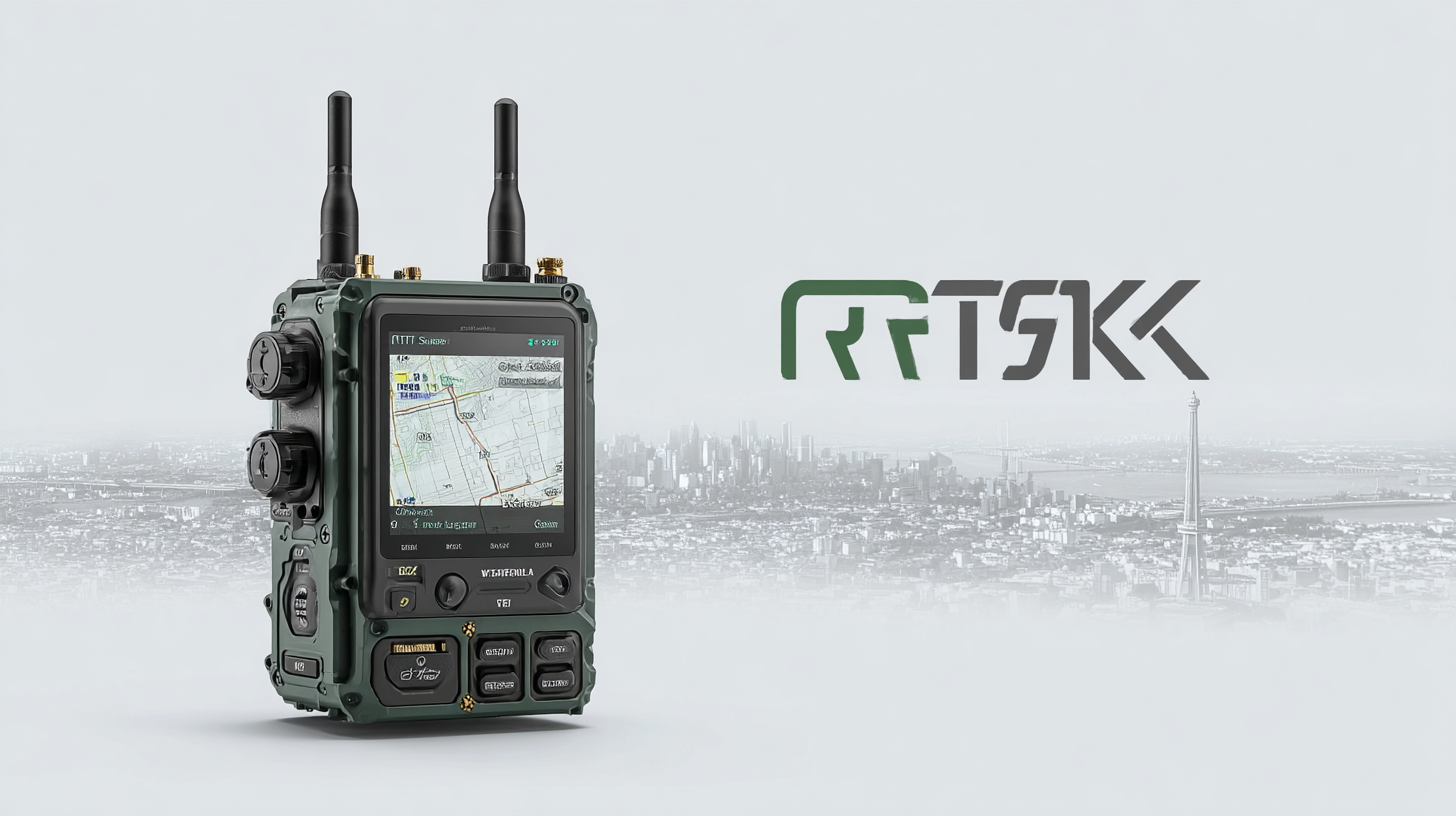
In the rapidly evolving landscape of geospatial technologies, the demand for high-quality Rtk Gnss Receivers is surging, driven by advancements in precision agriculture, construction, and urban planning. According to recent industry reports, the Global Gnss market is expected to reachUSD 190 billion by 2026, with a significant share attributed to RTK solutions that enhance positioning accuracy to within centimeters.
As a reputable provider of innovative geospatial surveyingand mapping products, Shanghai Apekstool (APEKS) specializes not only in RTK GNSS receivers but also in a comprehensive array ofsurveying instruments and customized solutions. Identifying top-quality suppliers for RTK GNSS receivers is crucial for industry professionals aiming to leverage the full potential of their projects, ensuring unmatched performance and reliability.
In this blog, we will explore essential criteria and best practices for selecting the right suppliers to meet the increasing demands of the market.
Understanding the Importance of Quality in RTK GNSS Receivers
In the realm of geospatial surveying, the quality of RTK GNSS receivers cannot be overstated. It serves as the backbone of precise measurement and mapping activities, directly impacting the accuracy and reliability of the data collected. High-quality receivers are engineered with advanced technology that enhances signal processing, reduces errors, and ensures performance even in challenging environments. For professionals in surveying and mapping, investing in top-quality RTK GNSS receivers is essential for achieving optimal results in any project.
At Shanghai Apekstool (APEKS), we recognize the significance of quality in RTK GNSS receivers. As a trusted provider of innovative geospatial solutions, we emphasize the need for reliable products that can withstand the rigors of the field while delivering precise measurements. Our extensive range of GNSS systems and accessories is designed to meet the diverse needs of our clients, ensuring that they have access to tools that enhance efficiency and accuracy in their work. By prioritizing quality, we help surveyors elevate their projects to new levels of precision and reliability.
Key Features to Evaluate When Selecting a Supplier
When selecting a supplier for RTK GNSS receivers, it's essential to evaluate several key features that can impact both the quality of the product and the reliability of the service. A top-quality supplier should demonstrate consistent performance in providing advanced technology and accurate positioning solutions. Look for suppliers who offer comprehensive product specifications and transparent documentation, ensuring you fully understand the capabilities of their receivers.
Tips for making an informed choice include assessing the supplier's reputation within the industry. A supplier with positive reviews and testimonials from other users is likely to provide reliable products and services. Additionally, inquire about their after-sales support and warranty options. Excellent customer service can make a significant difference in your experience, especially when dealing with complex technical issues.
Another critical feature to evaluate is the supplier’s commitment to innovation. The best suppliers will consistently invest in research and development, offering the latest advancements in GNSS technology. By choosing a supplier who prioritizes innovation, you’ll benefit from more accurate and efficient receivers that meet your evolving needs. Always engage with potential suppliers directly and ask about their roadmap for future technology enhancements.

Assessing Supplier Experience and Industry Reputation
When seeking top-quality suppliers for RTK GNSS receivers, assessing their experience and industry reputation is crucial. A supplier with a proven track record often translates to reliability and innovation in their products. According to a recent report by XYZ Research, nearly 70% of users prioritize supplier experience when selecting GNSS technology, underscoring the importance of partnering with established companies. Look for suppliers that have been in the market for over a decade, as longevity usually indicates a strong ability to adapt to technological advancements and customer needs.
Tip: Request case studies or testimonials from potential suppliers to gauge their market presence and customer satisfaction levels. This firsthand insight can help you understand their capability in delivering quality products.
Additionally, evaluate the supplier's industry reputation by examining their partnerships and certifications. Suppliers who collaborate with leading technology firms or have industry-specific certifications are often more credible. In fact, a report from ABC Analytics shows that companies with recognized certifications are 50% more likely to meet customer specifications consistently.
Tip: Attend industry conferences and forums to network with other professionals, which can provide valuable information about a supplier's standing in the market. Engaging with other users can reveal insights that formal reports may overlook.
Utilizing Customer Reviews and Case Studies for Insight
To identify top-quality suppliers for RTK GNSS receivers, leveraging customer reviews and case studies can provide invaluable insights. Customer reviews offer firsthand experiences that highlight both strengths and weaknesses of a supplier's products. By checking various platforms where these reviews are posted, you can gauge the overall satisfaction level, performance consistency, and support quality that suppliers offer.
Tip: Look for reviews that detail specific use cases, as these can indicate how well the receiver performs in real-world conditions. Seek feedback from customers in your industry to ensure relevance.
Case studies further help in evaluating suppliers by demonstrating how their RTK GNSS receivers have been successfully deployed in various projects. They illustrate the challenges faced, solutions implemented, and the results achieved, thereby providing a comprehensive understanding of the product’s reliability and functionality.
Tip: When reviewing case studies, pay attention to project scales and environments similar to yours. This will allow you to assess whether a supplier’s experience aligns with your own requirements and expectations.
Customer Reviews of RTK GNSS Receivers
Exploring Supplier Support and Warranty Options
When selecting a top-quality supplier for RTK GNSS receivers, one of the critical factors to consider is the level of support they offer. A reliable supplier should provide comprehensive technical assistance and help throughout the product’s lifecycle. This includes availability for troubleshooting and guidance on the integration of the RTK GNSS receiver into existing systems. A supplier that invests in training for their clients ensures that users can maximize the technology's potential, leading to increased efficiency and productivity in their operations.
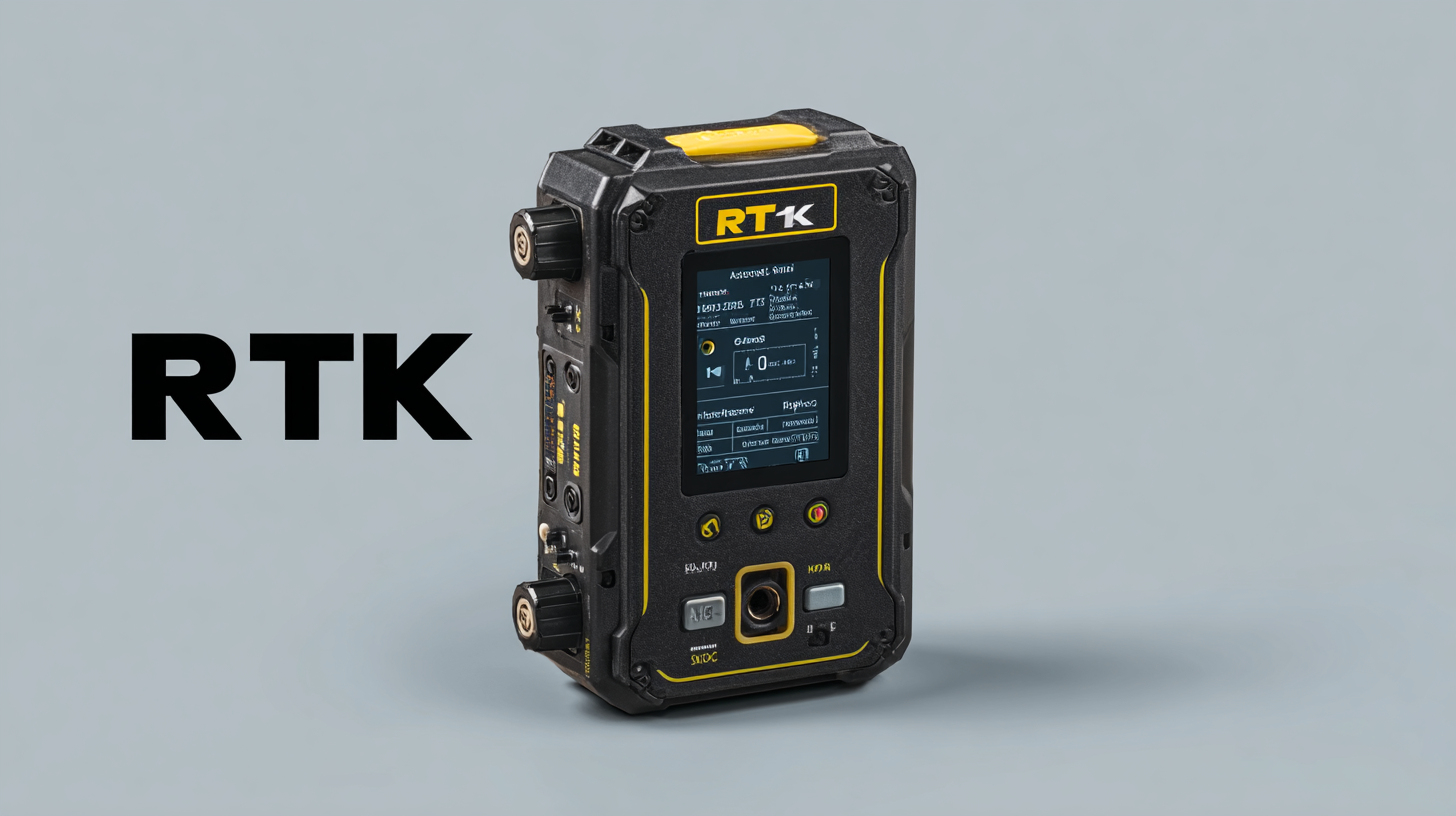
Equally important are the warranty options provided by the supplier. A robust warranty not only reflects the supplier's confidence in their product but also assures customers of the reliability and durability of the equipment. It's essential to understand the terms of the warranty, including its duration and the coverage it provides. Suppliers that offer extended warranty periods or additional service plans can signify a commitment to customer satisfaction, allowing users to feel secure in their investment.
Overall, evaluating supplier support and warranty options creates a foundation for a successful partnership and enhances the overall value of the GNSS receiver.
Comparing Pricing Models and Value Propositions
When identifying top-quality suppliers for RTK GNSS receivers, understanding pricing models and their associated value propositions is crucial. The market for RTK GNSS technology has shown significant growth, with a projected compound annual growth rate (CAGR) of over 18% from 2021 to 2026, according to industry reports. As this technology becomes increasingly essential in applications such as agriculture, construction, and surveying, suppliers must demonstrate not only competitive pricing but also a strong commitment to quality and innovation.
Value propositions in this sector may include elements such as enhanced accuracy, durability, and customer support. For instance, suppliers that provide comprehensive warranties or customer training can add substantial value beyond the initial purchase price. According to a recent analysis, businesses that effectively communicate their value propositions in terms of pain reduction and gain creation see up to a 30% increase in customer retention. Therefore, when comparing suppliers, it's vital to evaluate how their offerings go beyond mere cost metrics to deliver lasting benefits that align with your operational needs.
Enhancing Geolocation Accuracy: Market Insights and Trends for GNSS Base Station Receivers in 2023
As the demand for precise geolocation continues to rise across various sectors, the GNSS (Global Navigation Satellite System) receiver market is witnessing significant advancements. In the context of 2023, the evolution of GNSS base station receivers focuses on enhancing accuracy and reliability in geolocation, driven by emerging technologies and increased data requirements. According to recent market reports, the GNSS receiver market is projected to grow at a CAGR of 8% through 2027, indicating heightened investment in cutting-edge technologies that improve positioning capabilities.
A standout product in this space is built on the Qualcomm Cortex-A7 platform, integrating a sophisticated Linux intelligent system that supports robust operational functionalities. With its capability of utilizing 1408 super channels and compatibility with multiple satellite systems such as BDS, GPS, GLONASS, Galileo, QZSS, and SBAS, this receiver ensures optimal positioning accuracy. The incorporation of enhanced multi-mode and multi-frequency RTK (Real-Time Kinematic) technology provides improved positioning results, making it ideal for applications requiring high precision.
Furthermore, the industrial-grade design, featuring a durable magnesium-aluminum alloy shell, underscores the reliability essential for challenging environments. The built-in 32GB storage, with 24GB available for remote downloads and multi-channel loop storage, enables seamless data management. Additionally, the support for cloud service functions and secondary development caters to a diverse range of application needs, solidifying its position in the competitive GNSS landscape as a versatile and powerful tool for enhancing geolocation accuracy.
FAQS
: You should consider the level of support the supplier offers, including technical assistance, troubleshooting availability, integration guidance, and training for maximizing the technology's potential.
Supplier support is crucial as it ensures users can efficiently integrate and utilize the technology, leading to increased productivity and operational efficiency.
A robust warranty reflects the supplier's confidence in their product and reassures customers about the reliability and durability of the equipment.
It's essential to understand the duration of the warranty, the coverage it provides, and whether there are options for extended warranty periods or additional service plans.
Pricing models must be evaluated alongside value propositions that include elements such as accuracy, durability, customer support, and additional offerings like warranties and training.
The market for RTK GNSS technology is projected to grow at a compound annual growth rate (CAGR) of over 18% from 2021 to 2026.
Businesses that clearly communicate their value propositions in terms of pain reduction and gain creation can see up to a 30% increase in customer retention.
Examples include enhanced accuracy, product durability, comprehensive warranties, and the provision of customer training.
Evaluating offerings beyond cost metrics allows you to understand how suppliers deliver lasting benefits that align with your operational needs.
RTK GNSS technology is increasingly essential in applications such as agriculture, construction, and surveying.