You know, integrating Gnss Rtk Base And Rovertech into geospatial surveying and mapping has really turned things around when it comes to precision positioning in so many industries. It’s pretty amazing — recent reports say the Global Gnss market could hit$100 billion by 2025, mainly thanks to those new RTK systems that can give you centimeter-level accuracy.  And Shanghai Apekstool (APEKS)? They’re really leading the charge here, offering solid, dependable products and tailored solutions to keep up with modern surveying needs. More and more companies are jumping on board with GNSS RTK Base and Rover systems — whether it's farming, construction, or other fields — and it’s clear they’re seeing benefits like bumping up efficiency and cutting costs.
In this blog, I wanna dive into some of the coolest ways people are using this tech and how APEKS’s expertise is really helping push the geospatial industry forward.
Understanding the Basics of GNSS RTK Base and Rover Systems
You know, GNSS Real-Time Kinematic (or RTK for short) tech has really changed the game in areas that need pinpoint accuracy—like farming, land surveying, and building stuff. Basically, a typical GNSS RTK setup has a base station and a rover. The base station spots satellite signals and figures out exactly where it is. Then, it sends those correction data to the rover, which can get you to centimeter-level precision. That’s a huge deal when every little detail counts. According to a report from the European GNSS Agency, the market for this kind of tech is expected to hit around $210 billion by 2025, so you can tell there’s a serious demand for super accurate positioning tech.
Now, how does this all work? Well, it heavily depends on satellite signals and how atmospheric conditions mess with them. But good news—recent advances have really boosted the reliability and speed of these systems. For example, the International GNSS Service said that modernized signals have cut down the time it takes to get your first fix (that’s the initial positioning data) to under 10 seconds in ideal conditions. That quick turnaround makes it totally feasible for real-time stuff, like self-driving cars or drone mapping. And as the tech keeps improving, we’re seeing more gadgets like low-Earth orbit satellites getting added into the mix, which should only make things even more accurate and dependable down the line.
Key Components of GNSS RTK Technology and Their Functions
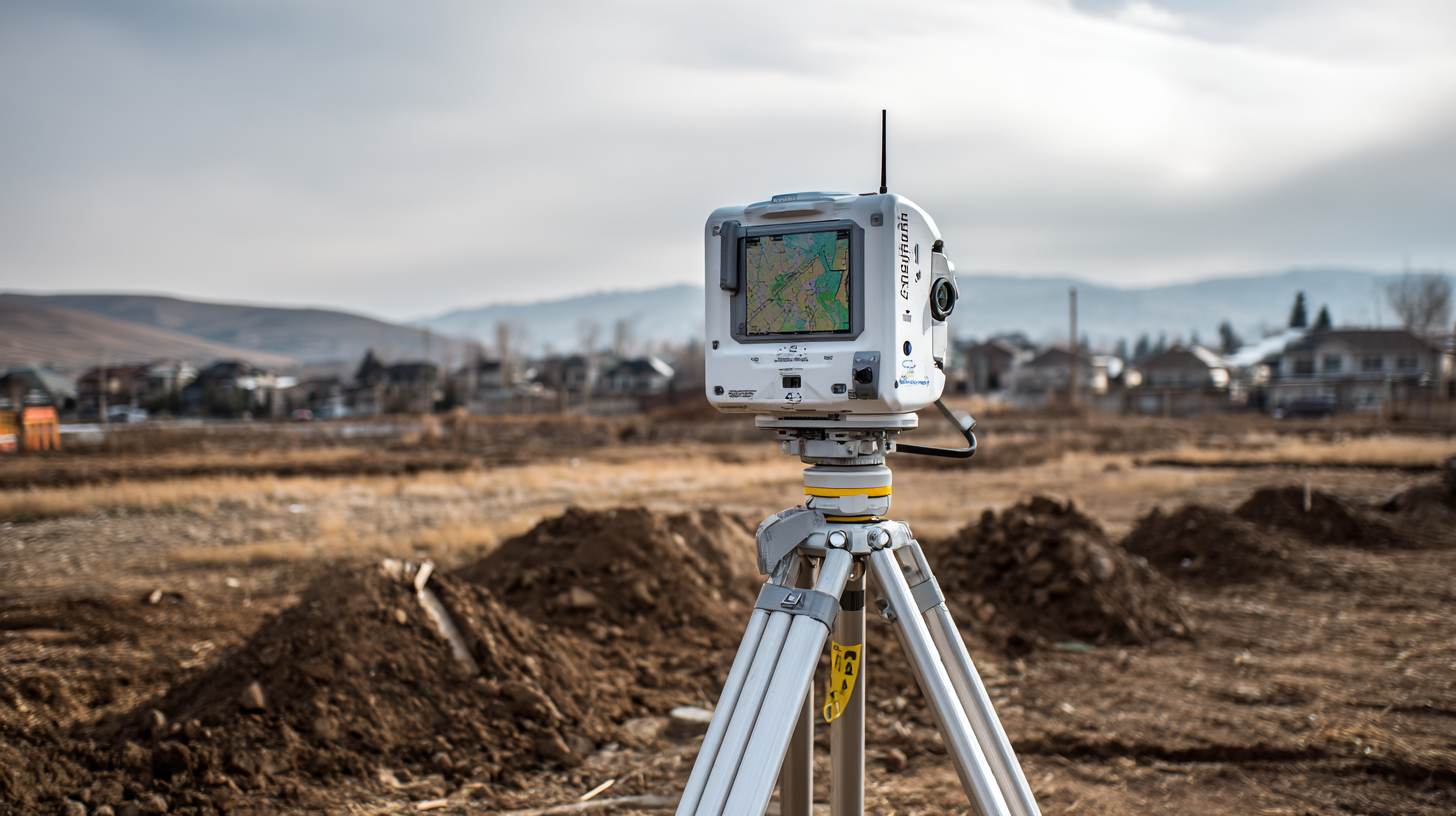
You know, GNSS RTK technology has really changed the game when it comes to precision positioning—whether you're working in farming, construction, surveying, or other fields. Basically, it relies on a few key parts: a base station, a rover, and a communication link. The base station acts like a reference point, picking up satellite signals and doing some processing to correct the position data. That correction info then gets sent over to the rover, which uses it to figure out its position in real time. Thanks to this setup, the rover can pinpoint locations with centimeter-level accuracy, which is pretty impressive.
If you’re setting up a GNSS RTK system, just make sure your base station is properly calibrated—that way, you’ll minimize errors. Also, don’t forget how crucial a reliable communication link is, whether that’s radio signals or cellular data. A weak connection can seriously mess with how well the system performs and how fast it transmits info. Regular maintenance and keeping your software up-to-date are equally important to keep everything running smoothly.
And a quick heads-up about the environment: stuff like hills, tall buildings, or thick trees can block satellite signals, so picking an open area for both the base and rover stations really helps improve performance. Before you kick off a project, it’s a good idea to do a quick site assessment—spot potential signal problems early on and make the most of what your GNSS RTK setup can do.
Real-World Applications of GNSS RTK in Surveying and Mapping
Lately, it’s pretty exciting to see how GNSS RTK (that’s Real-Time Kinematic stuff) is really changing the game when it comes to surveying and mapping. This tech is a total game-changer because it boosts the accuracy of geospatial data like crazy — which is super important whether you’re working on a big construction project or keeping an eye on environmental stuff. With GNSS RTK, surveyors can get centimeter-level precision right as they work, making the whole process way more efficient and giving better results. It’s like having a superpower for spatial data gathering — no more guesswork.
At Shanghai Apekstool, we’re all about providing top-notch GNSS and GPS gear that match these new capabilities. Whether you’re into urban planning, land surveying, or agriculture, our products are designed to meet different needs, with reliable tools like total stations, levels, theodolites, and all the accessories you might need. We want to make sure professionals have what they need to do their work confidently and accurately. And as GNSS RTK tech keeps improving, we’re committed to offering the latest and greatest tools to help shape the future of geospatial surveying — because we believe that’s where everything’s heading.
Exploring Innovative Applications of Gnss Rtk Base and Rover Technology - Real-World Applications of GNSS RTK in Surveying and Mapping
| Application | Description | Technology Used | Accuracy | Use Case |
| Land Surveying | Precise mapping of land boundaries and topographical features. | GNSS RTK setup with base and rover. | 2-5 cm | Property boundary delineation |
| Construction | Monitoring the progression and positioning of structures. | Real-time data integration with GNSS RTK. | 1-3 cm | Site installation accuracy |
| Agriculture | Optimizing planting, harvesting, and field mapping. | GNSS RTK subsystems with drones. | 2-5 cm | Precision farming applications |
| Forestry | Mapping and managing forest resources. | Portable GNSS RTK receivers. | 5-10 cm | Resource allocation and monitoring |
| Marine Navigation | Enhancing navigation precision for marine vessels. | Integrated GNSS RTK with maritime systems. | | Coastal and offshore operations |
Enhancing Precision: How GNSS RTK Improves Data Accuracy
You know, the rise of GNSS RTK technology has really changed the game when it comes to getting precision in fields like farming, surveying, and construction. With RTK, you can actually achieve centimeter-level accuracy—pretty impressive, right? This not only makes your data way more reliable but also helps save time and resources. Honestly, that kind of pinpoint accuracy is a total game-changer, especially for detailed tasks like mapping or land surveying where even a tiny mistake can end up costing a lot.
If you're thinking about adding GNSS RTK into your workflow, here are a few tips I’d suggest to get the most out of it. First off, make sure your base and rover units are properly calibrated and positioned. A solid, stable base station can really improve the quality of the correction signals going to your rover, which means better accuracy overall. Also, don’t forget to regularly check the satellites’ positions and keep an eye on environmental stuff—like obstacles or interference—to make sure your signals stay strong and your data stays precise.
Another thing to consider is picking the right GNSS software. Go for one that’s flexible enough to adapt to your specific needs. That way, you'll have more control over how you collect and process data, which can really boost your accuracy. With the right setup and a bit of know-how, GNSS RTK can take your data collection to completely new levels—it's pretty exciting stuff.
Future Trends in GNSS RTK Technology and Innovations
As GNSS RTK technology keeps getting better, we’re actually seeing some pretty cool new uses popping up in all sorts of areas — from farming to self-driving cars. I read a recent report from the International Federation of Surveyors (FIG), and it looks like the GNSS market could hit around $4.4 billion by 2025. That growth is mostly thanks to more folks adopting real-time positioning systems. One of the most exciting parts is how the combination of base and rover GNSS RTK setups is really changing the game — giving us centimeter-level accuracy, which is perfect for things like precision farming and building smarter city infrastructure.

Looking ahead, the trend seems to be moving towards making different systems work together better and using multiple GNSS signals at once. A study by the Geospatial Commission points out that mixing signals from different constellations — like GPS, Galileo, GLONASS, and BeiDou — should boost both reliability and precision. This means RTK tech is going to be more useful, even in complex urban settings. Plus, with 5G starting to roll out, it’s set to give GNSS RTK systems a nice boost — making data transfer quicker and improving how well location-based services work overall. As these trends develop, the impact on industries that rely heavily on super precise geospatial info will be pretty huge — opening the door to smarter, more connected solutions that could really change the game.
Best Practices for Implementing GNSS RTK Solutions in Projects
Implementing GNSS RTK solutions into your project workflow isn't just a plug-and-play thing; it really needs some careful planning and best practices if you want reliable results. First off, setting up a solid network is super important. That means picking the right base station that talks to your rover units – and honestly, location matters. Find a spot that's open and free of obstructions so satellites can see it clearly, which helps cut down on those pesky multipath errors. Don’t forget to use good communication methods—like cellular or radio—to keep the connection between your base and rovers steady, even if things get a bit dicey.
Another big piece of the puzzle is training your team properly. Your operators should be comfortable with how the system works, know how to troubleshoot, and be familiar with the software they’ll use for data processing. Regular training sessions are a good idea—they keep everyone sharp and ready to handle problems on the fly. Plus, creating a culture where people feel comfortable sharing feedback in real time can really help improve your workflows along the way. When you put these practices into play, you’ll get the most out of GNSS RTK tech, leading to more accurate data collection and better overall project results.
Innovative Applications of GNSS RTK Technology
Maximize Your GIS and Survey Efficiency with the Apeks Stylus Pens Android 10 Control GNSS RTK Controller CS5i Pro
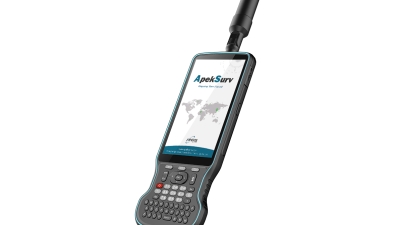
Unlocking the potential of GIS and surveying requires the right tools, and the Apeks Stylus Pens paired with the Android 10 Control GNSS RTK Controller CS5i Pro stand out as a game-changer. At the heart of this innovative device is the robust UM980 motherboard powered by a cutting-edge 2.0 GHz industrial processor, ensuring seamless multitasking and efficiency. This combination provides professionals with a reliable and fast platform to perform complex surveying tasks with ease.
Equipped with Android 10 and GMS AR Core, the CS5i Pro is designed to integrate advanced applications that enhance fieldwork experience. Its new Corti keyboard adds a modern touch, improving usability and allowing for rapid data entry. The substantial 9000mAh battery capacity guarantees long-lasting performance, ensuring that your workflow isn't interrupted during critical projects. With 64GB ROM and 4GB DDR4 RAM, the high-speed memory supports demanding applications and large datasets, making it an ideal choice for GIS specialists and surveyors who require efficiency and reliability in the field.
FAQS
: The key components include the base station, rover, and communication link. The base station serves as a reference point, the rover collects real-time position data, and the communication link transmits correction information from the base station to the rover.
GNSS RTK technology enables users to achieve centimeter-level accuracy, which enhances data reliability and is vital in fields like agriculture, surveying, and construction where precision is crucial.
Ensure proper calibration of your base station, maintain a reliable communication link, perform regular maintenance and software updates, and conduct a thorough site assessment to identify potential signal obstructions.
Proper calibration of the base station minimizes errors in positional data, which significantly improves the accuracy of the corrections sent to the rover.
Obstructions such as hills, buildings, and dense foliage can block satellite signals, so selecting an open area for both the base and rover stations is crucial for optimal performance.
Establish a solid network setup with a clear base station, utilize robust data communication methods, and ensure effective training for personnel to maintain high proficiency in system operations.
Choosing flexible GNSS software that can be configured to suit specific project needs enhances data collection and processing capabilities, improving the overall accuracy of work.
Regular training sessions are essential to maintain high proficiency levels, allowing operators to effectively address issues and stay updated on system operations and software tools.
Robust data communication methods such as cellular networks or radio frequencies should be utilized to maintain reliable connectivity between the base and rover systems.
A stable base station significantly improves the quality of the corrections it sends to the rover, which leads to enhanced accuracy in the rover's positioning calculations.
Conclusion
Hey there! So, in our blog titled "Exploring Innovative Applications of GNSS RTK Base and Rover Technology," we really dive into what GNSS RTK systems are all about—breaking down their main parts and how they work. Honestly, these tech tools have totally transformed how we do surveying and mapping, thanks to their insane accuracy and ability to give real-time location info. They’re used across a ton of industries—like construction, farming, and infrastructure projects—showing just how much they boost precision and speed up the job.
Looking ahead, it’s exciting to think about what’s coming next for GNSS RTK. The future seems to be all about making these systems even better—more user-friendly and efficient on the job site. Of course, using these tools right is key, so we cover some best practices to get the most out of them and make sure projects turn out great. And by the way, as a leading company in geospatial surveying gear, Shanghai Apekstool (APEKS) is all about supporting these tech advancements and helping folks smoothly integrate GNSS RTK Base and Rover units into their daily workflows. It’s an exciting time, and we’re here to help you stay ahead of the curve!