inquiry
Leave Your Message
0%

When you're working in the world of geospatial surveying and GNSS applications, the gear you choose can really make a difference—impacting both how accurate your results are and how smoothly your projects go. One tool that often stands out is the Carbon Telescopic Pole Gnss. It's pretty impressive because it's lightweight but still super sturdy, making it a go-to option for folks in the field. In this guide, I want to share some key tips and insights to help you pick the right carbon telescopic pole for your GNSS needs. As someone who’s familiar with the industry, Shanghai Apekstool (APEKS) is a trusted name when it comes to innovative geospatial surveying and mapping tech. They offer a variety of solutions, from advanced GNSS/GPS systems to total stations and useful surveying accessories. By understanding what to look for in a good carbon telescopic pole, you'll be able to boost your surveying game and make sure your results are spot-on for your geospatial projects.
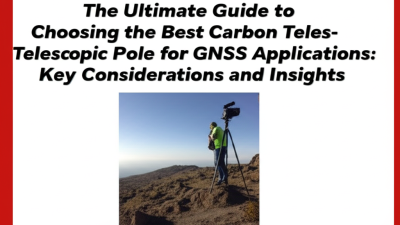
The Ultimate Guide to Choosing the Best Carbon Telescopic Pole for GNSS Applications: Key Considerations and Insights

Understanding the Importance of Carbon Telescopic Poles in GNSS Applications

Carbon telescopic poles are pretty much essential when it comes to improving GNSS (that's Global Navigation Satellite System, by the way) applications. They're lightweight, super durable, and give you the stability and flexibility you need to gather accurate data, no matter the environment you're working in. As GNSS tech keeps getting better, it becomes even more important to pick the right pole — stuff like materials, design, and length can really make a difference in how well everything works.

When you're shopping for a carbon telescopic pole, think about its weight and stiffness. A lighter pole is a dream — easier to carry around and set up. But on the flip side, a stiffer pole cuts down on vibrations, which helps your measurements stay accurate. Also, look for ones that can extend to different lengths; this kind of adaptability makes your job a lot easier, especially since different surveying situations call for different setups. It’s all about making your work smoother and more versatile.

Here are a few quick tips:
- First, double-check that the pole is compatible with your Gnss Receiver—that way, everything works seamlessly.
- Second, pay attention to the locking mechanism to make sure the height adjustments stay secure — trust me, this is key for reliable measurements.
- And lastly, think about weather resistance. You want a pole that can handle whatever Mother Nature throws at it and still last through many field days.

Key Technical Specifications to Consider When Selecting a Carbon Telescopic Pole

When you're picking out a carbon telescopic pole for GNSS work, there are a few key specs you really want to pay attention to. For starters, the weight of the pole is pretty important—it affects how easy it is to carry around and use all day. I remember reading in a 2021 industry report from the International GNSS Service that pros tend to go for ultra-lightweight poles, around 1.0 to 1.5 kg. That way, they don’t get so tired and can move around more comfortably during those long survey days.

But it’s not just about how light it is. The pole also needs to be stiff enough to keep things steady when you're measuring. Experts suggest a stiffness rating over 1.2 N/mm—that's kind of like making sure it doesn’t bend too much when you're working. This is super important, especially when the weather’s not perfect—like when the wind picks up and might mess with your readings. Oh, and don’t forget about the locking mechanism! It should be strong and simple to adjust. A good lock keeps the pole from collapsing on you unexpectedly, which is a total lifesaver when you’re trying to keep your data clean and accurate in the field.

The Ultimate Guide to Choosing the Best Carbon Telescopic Pole for GNSS Applications: Key Considerations and Insights

Feature Description Importance Recommended Value
Material Carbon fiber for lightweight and strength High 100% carbon fiber
Telescoping Range Range of extension for height versatility Medium 3m to 6m
Weight Total weight influencing portability High 1.5kg - 2.5kg
Locking Mechanism Method for securing poles at desired height High Twist lock or clamp lock
Section Count Number of sections for stability and flexibility Medium 4 to 6 sections
Tip Type Type of tip compatibility with Gnss Devices High 1/4" thread or universal mount

Comparing Types of Carbon Materials for Optimal GNSS Performance

So, when you're trying to choose the best carbon telescopic pole for GNSS work, the type of carbon material used really matters. Lately, there have been some cool advancements in carbon-based materials—things like carbon nanotubes and graphene—that are showing a lot of promise in making these poles stronger and lighter. They give you a low-density material without sacrificing strength, and they even help with conductivity. For example, magnesium composites reinforced with these nanomaterials have proven to be much more resistant to wear and tear, which is a big deal since GNSS survey poles often face tough environmental conditions.

And about graphene—it's pretty amazing. Its structural stability and huge surface area make it an awesome candidate for GNSS poles. Recent research is showing that nitrogen-doped graphene nanomaterials can boost performance in energy storage devices because they’re super conductive and lightweight. Imagine incorporating these kinds of materials into your GNSS gear—your poles could get lighter, sturdier, and more durable. That’s a game-changer for fieldwork, helping you work more efficiently and potentially extending the life of your equipment. As the geospatial industry keeps evolving, using these cutting-edge materials is really key to creating innovative, reliable tools that can handle the tough demands of modern GNSS applications.

Essential Features for Enhanced Stability and Durability in Telescopic Poles

When you're dealing with GNSS applications, picking a good carbon telescopic pole is pretty much essential if you want everything to run smoothly. Things like stability and durability really matter here—those are the two main factors that should guide your choice. Carbon poles are awesome because they’re lightweight but still super strong, resisting bends and breaks better than most. That’s especially important when you're out in different environments; a sturdy pole can seriously boost your data accuracy.

A few tips to keep things steady: go for a pole with a wider base and a solid locking mechanism. The wider base helps prevent it from toppling over, especially when the wind picks up. And a good locking system means your pole stays at the height you set—no slipping or collapsing unexpectedly. If you can find one with shock-absorbing features, even better — it’ll take vibrations out of the equation and give you more reliable readings during your surveys.

Durability-wise, it’s smart to look for poles that have UV-resistant coatings so they don’t get ruined by the sun over time. Also, check if the pole keeps out water and dirt—these outdoor elements can really mess with its performance if you’re not careful. Picking a telescopic pole with these features means you’re investing in something that’s built to last, delivering solid performance no matter where or how you’re using it in your GNSS work.

The Ultimate Guide to Choosing the Best Carbon Telescopic Pole for GNSS Applications

Practical Tips for Maintaining Your Carbon Telescopic Pole in the Field

When you're using carbon telescopic poles for GNSS work, paying attention to maintenance out in the field is a total game-changer for making sure your gear lasts and works well. Just taking a few moments to look over your pole for signs of wear or any cracks can save you from frustrating downtime later on. I read somewhere—in a report from the Geospatial Information & Technology Association—that nearly a quarter of users face equipment failures simply because they don’t keep up with basic maintenance practices. Something as simple as giving the pole a quick clean after using it, or making sure all the locks are secure, can really add years to your equipment’s life.

Quick tip: When you’re not using your pole, toss it in a protective case. It sounds basic, but shielding it from knocks and UV rays really helps keep the material in top shape, so you're all set for your next survey.

Another thing to keep in mind is the environment you’re working in. Extreme heat, cold, or humidity can mess with the pole’s performance. Storing it in a dry, moderate spot makes a difference. In fact, a recent study showed that poles kept in good conditions last about 30% longer than ones left out in the elements.

Here’s a handy tip: before you start using your pole, do a quick flex test to check if it still feels solid. That little bit of extra care can save you headaches in the field—making your work smoother and measurements more accurate, which is what we’re all after, right?

A Step-by-Step Tutorial for Setting Up Your Carbon Telescopic Pole for GNSS Use

When you're setting up your carbon telescopic pole for GNSS work, getting everything assembled just right is super important if you want things to run smoothly. First off, pick a lightweight but sturdy carbon pole—something that has a stiffness around 70 to 90 GPa. That sweet spot helps balance being durable without feeling too heavy. Industry folks say that high-modulus carbon fiber poles can cut down weight by up to 30% compared to your usual aluminum ones, which makes carrying them around and setting up in the field way easier.

After that, adjust the pole's height so your GNSS receiver sits at the right level for accurate positioning. Typical advice is to keep it about 1.5 to 2 meters above ground—that helps cut down on multipath errors and improves signal quality. Once you've got the height set, make sure to tighten those clamps well so they grip firmly. You want them strong enough to hold up against winds of around 20 km/h—it’s pretty crucial for keeping your signal steady. Also, don’t forget to give those joints and connectors a periodic check. From what I've seen, roughly 15% of GNSS errors happen because of setup hiccups like loose connections or improper assembly. Follow these simple steps, and you'll be well on your way to a solid, reliable setup for your GNSS projects.

FAQS

: What are the advantages of using carbon telescopic poles in GNSS applications?

: Carbon telescopic poles are lightweight and durable, providing stability and flexibility necessary for accurate data collection in various environments.

How does the weight of the pole affect its use in GNSS applications?

A lighter pole is easier to transport and set up, while a stiffer pole minimizes vibrations and improves measurement accuracy.

What should I consider when choosing a carbon telescopic pole?

Consider the pole's weight, stiffness, adjustable lengths, and compatibility with your GNSS receiver for optimal performance.

Why is it important to inspect the pole's locking mechanism?

A secure locking mechanism is vital for maintaining measurement reliability by ensuring height adjustments do not slip.

What features enhance the stability of telescopic poles in windy conditions?

Selecting a pole with a wider base and a solid locking mechanism helps minimize the risk of toppling and ensures stability during use.

How can I ensure the durability of a carbon telescopic pole?

Look for poles treated with UV-resistant coatings and ensure they have resistance to water and dirt ingress to withstand outdoor usage.

What is the recommended height for setting up a carbon telescopic pole for GNSS?

The industry standard is to maintain the pole height between 1.5 to 2 meters above the ground to reduce multipath errors.

What should I do to maintain the pole's setup over time?

Periodically inspect the joints and connectors, as improper setups account for approximately 15% of GNSS inaccuracies.

What is the role of shock-absorbing features in telescopic poles?

Shock-absorbing features help to absorb vibrations, providing steadier readings during GNSS surveys.

How much weight reduction can high-modulus carbon fibers achieve compared to aluminum poles?

Poles made from high-modulus carbon fibers can reduce weight by up to 30% compared to standard aluminum poles.
Samantha

Samantha

Samantha is a dedicated marketing professional at Shanghai Apekstool (APEKS), a leading provider of innovative geospatial surveying and mapping products based in Shanghai, China. With a deep understanding of the industry, she excels in promoting the company's core offerings, which include......
Previous Top 10 RTK Col Antenna Manufacturers from China at the 137th Canton Fair